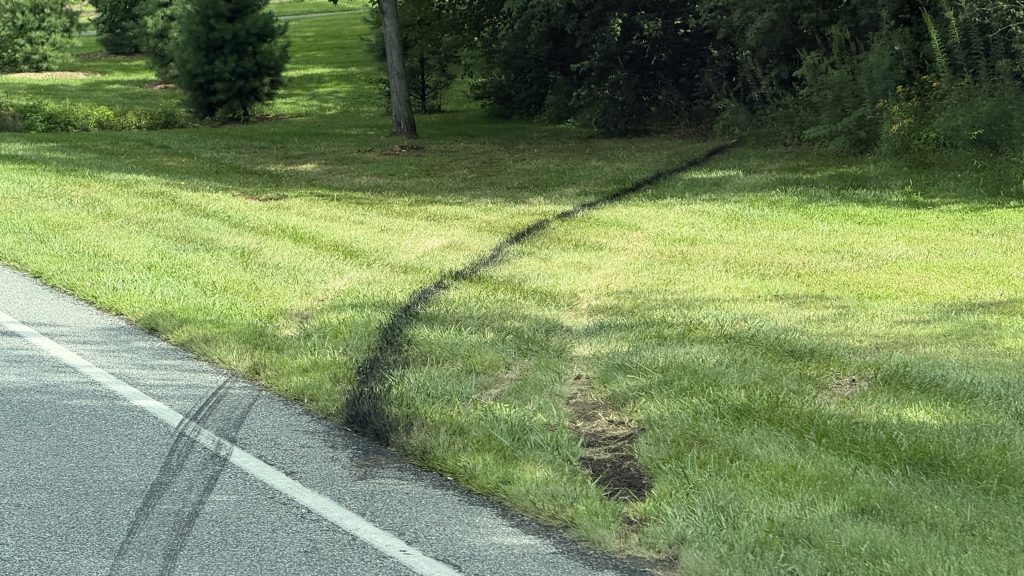
When a collision happens, everyone sees the obvious stuff smashed vehicles, broken glass, airbags, leaking fluids and debris.
But what happens after the vehicles are removed?
That’s where environmental protection comes in.
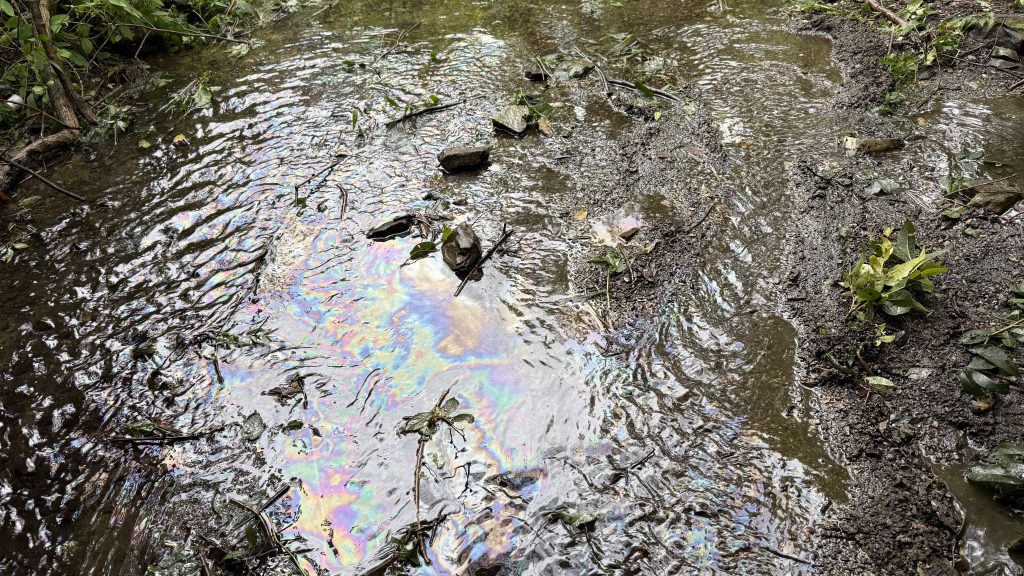
A wrecked vehicle can release gasoline, diesel, motor oil, transmission fluid, coolant, brake fluid, battery acid and other materials onto the roadway and surrounding ground. If those materials aren’t properly contained and recovered, rain can carry them into storm drains, streams, creeks and other waterways or allow contaminants to migrate into the soil and potentially groundwater.
Petroleum products are made up largely of hydrocarbons, and different products behave very differently once released. Gasoline contains volatile compounds such as benzene, while heavier petroleum products can contain persistent compounds including polycyclic aromatic hydrocarbons. Some components evaporate, some dissolve, some spread across the surface of water, and others can settle into soil or sediment.
And here’s something people need to understand:
Water doesn’t magically make contamination disappear.
Dilution can reduce the concentration of a contaminant, but it doesn’t eliminate the contaminant. How quickly a substance disperses or breaks down depends on the material, the amount released, temperature, water movement, soil characteristics, groundwater flow and numerous other factors. Some contaminants can move through soil and reach groundwater, while contamination that reaches waterways can accumulate in sediment and continue affecting an ecosystem.
That is why timely spill control and cleanup matter.
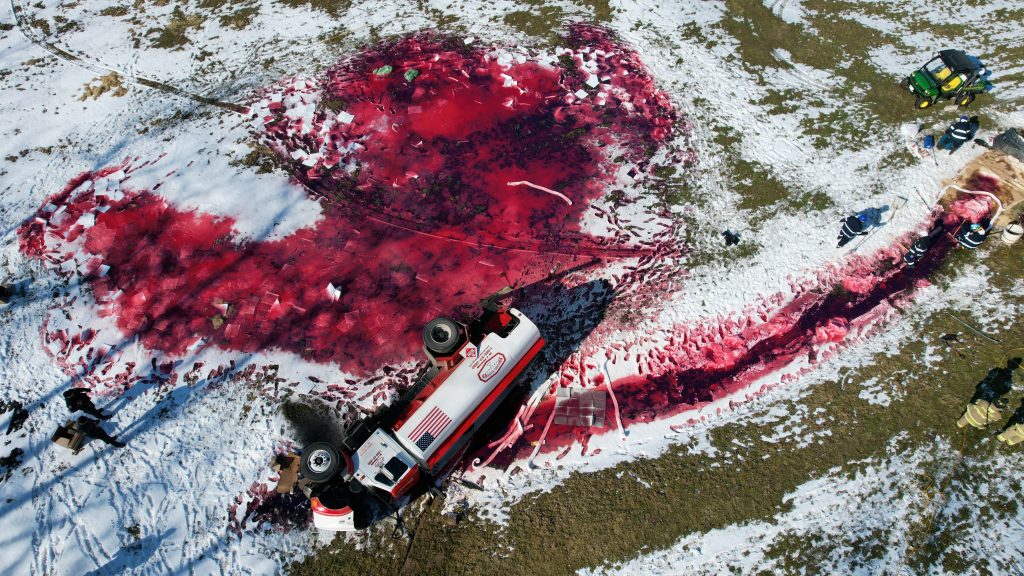
Containment, absorbent materials, drain protection, removal of contaminated debris and soil, proper disposal, and environmental assessment can prevent a roadway incident from becoming a much larger environmental incident.
And sometimes, this is where private environmental and emergency-response contractors become critical.
When local emergency services don’t have the personnel, equipment, training or resources needed to handle the environmental portion of an incident, private contractors can be called in to pick up the slack and make sure hazards are addressed properly and in a timely manner.
This isn’t about replacing emergency services.
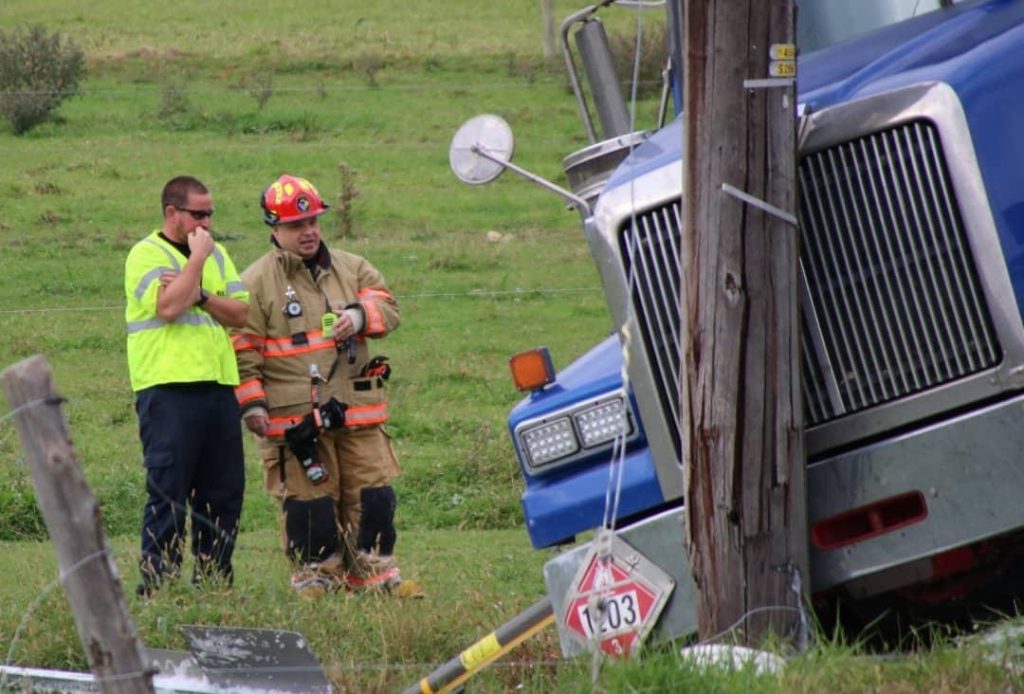
It’s about recognizing that a fire department may be extremely good at extrication, fire suppression and rescue while environmental remediation requires a completely different set of equipment, procedures and expertise.
The EPA itself recognizes a response structure that can involve responsible parties, response contractors, local fire and police departments, state agencies and federal resources. The goal is a response that is appropriate, timely and minimizes harm to people and the environment.
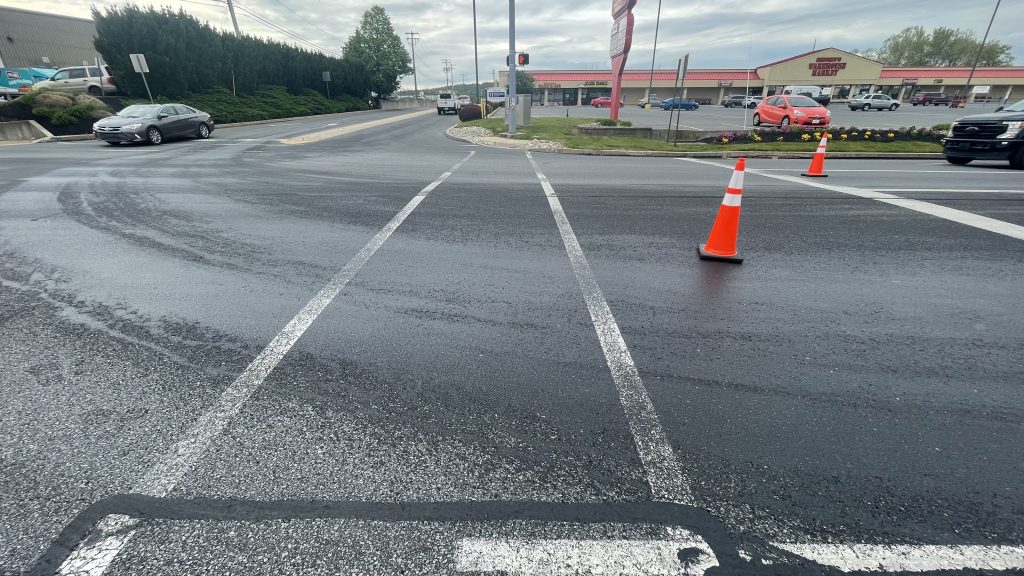
The tow truck removing the wreck doesn’t necessarily mean the incident is cleaned up.
The roadway may still have petroleum contamination.
The storm drain may still be at risk.
The soil may still be contaminated.
And the waterway may still be in danger.
A good response doesn’t just remove the vehicles.
It identifies the hazards, contains them, cleans them up and protects what is downstream.
Because when the emergency is over, the environmental consequences can continue long after the lights go out.
Respond aggressively. Clean it up properly. Protect the environment.